CRM for Healthcare: Transform Patient Engagement with Smart Technology
 Admin
Admin CRM for Healthcare: Manage Patients & Improve Engagement
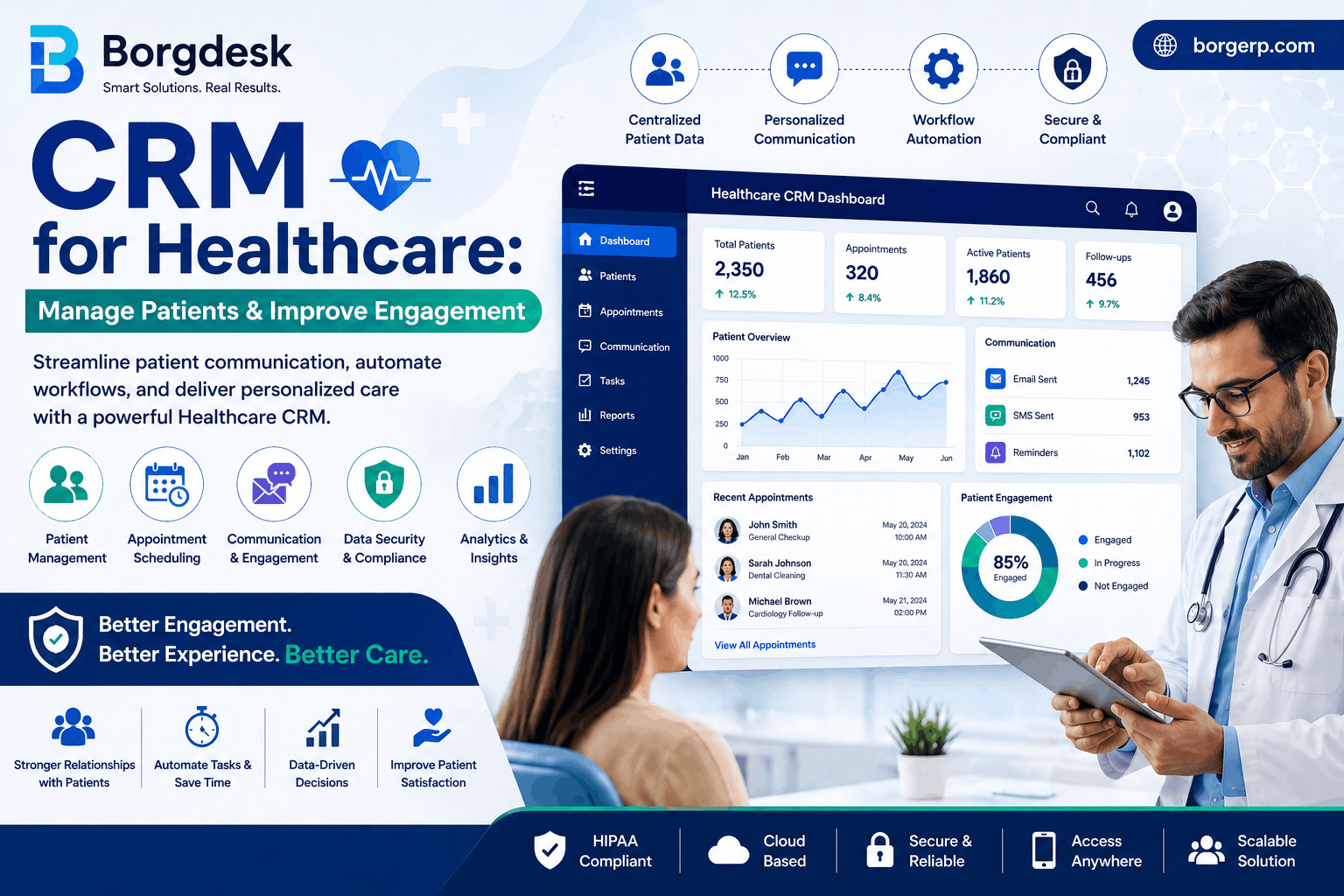
In today’s fast-evolving healthcare landscape, patient expectations are higher than ever. Hospitals, clinics, and healthcare providers must deliver personalized experiences while managing large volumes of patient data efficiently. This is where a Crm For Healthcare becomes a game-changer.
A healthcare CRM system helps organizations streamline patient communication, improve engagement, and enhance overall care delivery. By integrating advanced tools and automation, healthcare providers can build stronger relationships with patients while improving operational efficiency.
What is CRM for Healthcare?
A CRM for healthcare is a specialized software solution designed to manage patient interactions, store medical data securely, and streamline communication between healthcare providers and patients.
Unlike traditional CRM systems, healthcare CRM platforms are tailored to handle sensitive data, regulatory compliance, and patient-centric workflows. They support everything from appointment scheduling to personalized follow-ups.
Businesses often combine CRM with Erp Systems and healthcare analytics platforms to create a unified ecosystem for better decision-making.
Also read: How to Scale Your Business with Automation Using Borgdesk ERP.
Why Healthcare Providers Need a CRM System?
Managing patient relationships manually is no longer efficient. A healthcare CRM provides a centralized system to improve both patient care and internal operations.
Key Benefits:
✔ Improved patient engagement through personalized communication
✔ Centralized patient data management
✔ Automated appointment scheduling and reminders
✔ Better coordination between departments
✔ Enhanced patient retention and satisfaction
Healthcare providers investing in Digital Transformation Solutions often see significant improvements in efficiency and patient outcomes.
Core Features of Healthcare CRM Software
To get the most out of your CRM system, it should include essential features designed specifically for healthcare.
1. Patient Data Management
A robust CRM stores patient records, medical history, and interaction data in one place. This ensures easy access and better coordination among healthcare teams.
2. Appointment Scheduling & Reminders
Automated scheduling reduces missed appointments and improves patient satisfaction through timely reminders.
3. Communication & Engagement Tools
Healthcare CRM systems enable:
- Email and SMS communication
- Follow-up reminders
- Personalized health updates
These tools improve patient engagement and build long-term relationships.
4. Workflow Automation
Automation helps streamline repetitive tasks such as:
- Data entry
- Patient onboarding
- Billing notifications
This reduces manual effort and improves efficiency.
5. Data Security & Compliance
Healthcare CRM must comply with strict regulations and include:
- Data encryption
- Role-based access
- Secure cloud storage
Security ensures patient trust and long-term system reliability.
Also read: Best CRM for eCommerce Businesses to Increase Customer Retention.
How CRM Improves Patient Engagement?
Patient engagement is critical for better healthcare outcomes. A CRM system enables healthcare providers to interact with patients in a more meaningful way.
Personalized Communication
CRM systems allow providers to send tailored messages based on patient history and preferences.
Timely Follow-Ups
Automated reminders ensure patients stay on track with treatments and appointments.
Better Patient Experience
A seamless communication process enhances trust and satisfaction.
Steps to Implement a Healthcare CRM System
Implementing a CRM requires careful planning and execution.
Step 1: Identify Business Needs
Understand your goals:
- Improve patient engagement
- Streamline operations
- Enhance communication
Step 2: Choose the Right CRM Platform
Select a solution that supports scalability, integration, and compliance.
Step 3: Integrate with Existing Systems
Ensure smooth integration with:
- Electronic Health Records (EHR)
- Billing systems
- Healthcare analytics tools
Step 4: Train Your Team
Provide proper training to ensure staff can use the system effectively.
Step 5: Monitor & Optimize
Continuously analyze performance and improve workflows.
Challenges in Healthcare CRM Implementation
While CRM systems offer many benefits, there are challenges to consider:
Data Privacy Concerns
Handling sensitive patient data requires strict compliance and security protocols.
Integration Complexity
Combining CRM with existing systems can be technically challenging.
High Initial Investment
Advanced CRM systems may require significant upfront costs.
Partnering with experienced Software Development Providers can help overcome these challenges.
Also read: All-in-One ERP Software for Smart Business Management | Borgerp
Future Trends in Healthcare CRM
The future of healthcare CRM is driven by innovation and technology.
AI-Powered Insights
Artificial intelligence helps predict patient behavior and improve decision-making.
Telehealth Integration
CRM systems are increasingly integrating with telemedicine platforms.
Mobile Accessibility
Mobile-friendly CRM systems allow healthcare providers to access data anytime, anywhere.
Advanced Analytics
Data-driven insights will continue to shape personalized healthcare experiences.
Why Choose the Right CRM for Healthcare?
Choosing the right CRM system ensures long-term success. A well-designed solution improves patient relationships, enhances operational efficiency, and supports data-driven decision-making.
Healthcare organizations that adopt modern CRM systems gain a competitive advantage by delivering better patient experiences and optimizing internal workflows.
Conclusion
A CRM for healthcare is no longer optional—it’s essential for modern healthcare providers. From managing patient data to improving engagement, CRM systems play a vital role in delivering high-quality care.
By implementing the right solution and integrating it with existing systems, healthcare organizations can achieve better outcomes, improved efficiency, and long-term growth.
FAQs:
1. What is a healthcare CRM system?
A healthcare CRM system is software designed to manage patient relationships, communication, and data efficiently.
2. How does CRM improve patient engagement?
It enables personalized communication, automated reminders, and better interaction with patients.
3. Is healthcare CRM secure?
Yes, most systems include encryption, compliance standards, and access controls to protect sensitive data.
4. Who can use healthcare CRM software?
Hospitals, clinics, healthcare startups, and medical institutions can benefit from it.
5. How long does it take to implement a CRM system?
Implementation time varies depending on complexity, typically ranging from a few weeks to several months.
Leave your thought here
Your email address will not be published. Required fields are marked *


Comments (0)